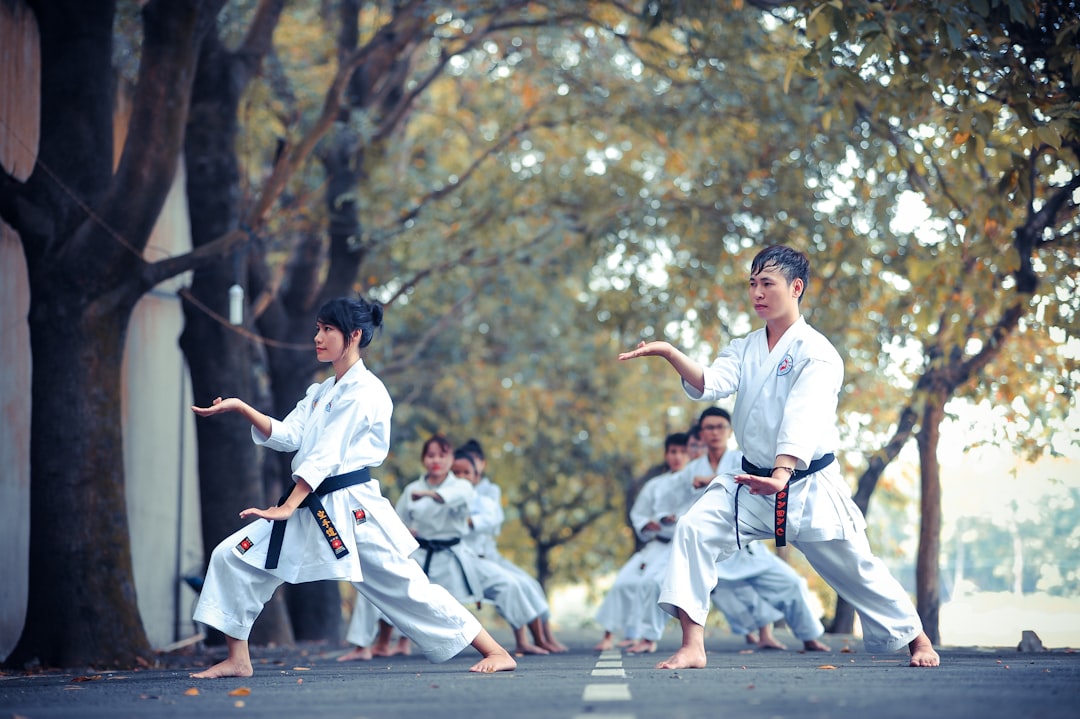
Karate uniforms, or doboks, are symbolic garments for practitioners, representing discipline, respect, and commitment to the martial art. Designed for comfort, flexibility, and modesty, these uniforms enable a full range of motion and foster camaraderie within the karate community. The traditional karate gi (gi) is a rich historical symbol originating in Japan, evolving from combat gear to embodying discipline, humility, and karate's core values. Its specific cuts and heavy cotton enhance movement and protection, answering "why are they called karate uniforms?" by encapsulating the essence of martial arts.
What are Karate Uniforms Called?
Karate uniforms, steeped in tradition and symbolism, have evolved from their Japanese origins to become a universal symbol of this martial art worldwide. Beyond simply practical attire, these outfits hold cultural significance, with each component telling a story of discipline, respect, and dedication. This article delves into the history and diverse terminology surrounding karate uniforms, exploring how they've adapted across different styles and regions while retaining their core meaning. From the traditional dobari to the modern variations, understand what makes karate outfits more than just clothing—they're a badge of honor.
# What are Karate Uniforms Called?

Karate uniforms, often referred to as doboks, are specialized garments designed for both training and competition. This distinctive attire is an integral part of karate culture, representing discipline, respect, and the wearer's commitment to the martial art. The term 'dobok' originates from Korean words "do" meaning way or path, and "bok" translating to clothing, thus encapsulating its significance in the practitioner's journey.
But what sets karate uniforms apart from regular workout gear? Unlike traditional sportswear, doboks are tailored for comfort, flexibility, and modesty while allowing a full range of motion. They typically consist of a jacket (keikogi) and pants (karategi or chita), both crafted from lightweight yet durable fabrics. This attire is not only functional but also serves as a symbol of unity within the karate community, fostering a sense of camaraderie among practitioners from all walks of life.
1. Understanding the History and Significance

The traditional karate outfit, often referred to as a gi or karate gi, holds immense historical and cultural significance within the martial arts community. This unique garment has evolved over centuries, originating from Japan where it was originally designed for practical use in combat. The term gi literally translates to "clothing," indicating its role as more than just attire; it's a symbol of one's dedication and commitment to karate.
The design of the karate gi is deliberate, with specific cuts and materials chosen to enhance movement and grip during training and competitions. Typically, it consists of a heavy cotton jacket and pants, allowing for flexibility while providing adequate protection. The uniform's simplicity belies its complex history, as it has become an iconic representation of discipline, humility, and the spirit of karate itself, answering the question: why is it called a karate uniform? Because it embodies the very essence of this martial art form.
Karate uniforms, traditionally known as "gi" (着物), hold immense cultural significance beyond their practical use in training and competition. The gi, often a lightweight cotton uniform, has evolved from humble beginnings to become an iconic symbol of the martial arts. Referred to as "karate-gi" or simply "gi" in contemporary usage, these outfits are not just clothing but embody the values of discipline, respect, and perseverance that are core to karate's philosophy. Understanding this historical context enriches our appreciation for both the art and attire of karate.
In 2026, karate uniforms have evolved to incorporate sustainable materials while retaining their traditional aesthetics. Manufacturers are using recycled fabrics and eco-friendly dyes to reduce the environmental impact of doboks. Additionally, advanced technologies like moisture-wicking fabrics ensure practitioners stay comfortable during intense training sessions. The global adoption of these innovations has led to a more diverse range of colors, patterns, and styles, reflecting the growing inclusivity within the karate community. This trend not only honors the uniform's rich history but also paves the way for a greener martial arts future. Explore Modern Adaptations and Sustainable Innovations in Karate Uniforms